
How to take your gluten-free cookies from "Eh" to "OMG!”
Let's be honest: not all gluten-free cookies are good. In fact, many of them are straight up terrible.
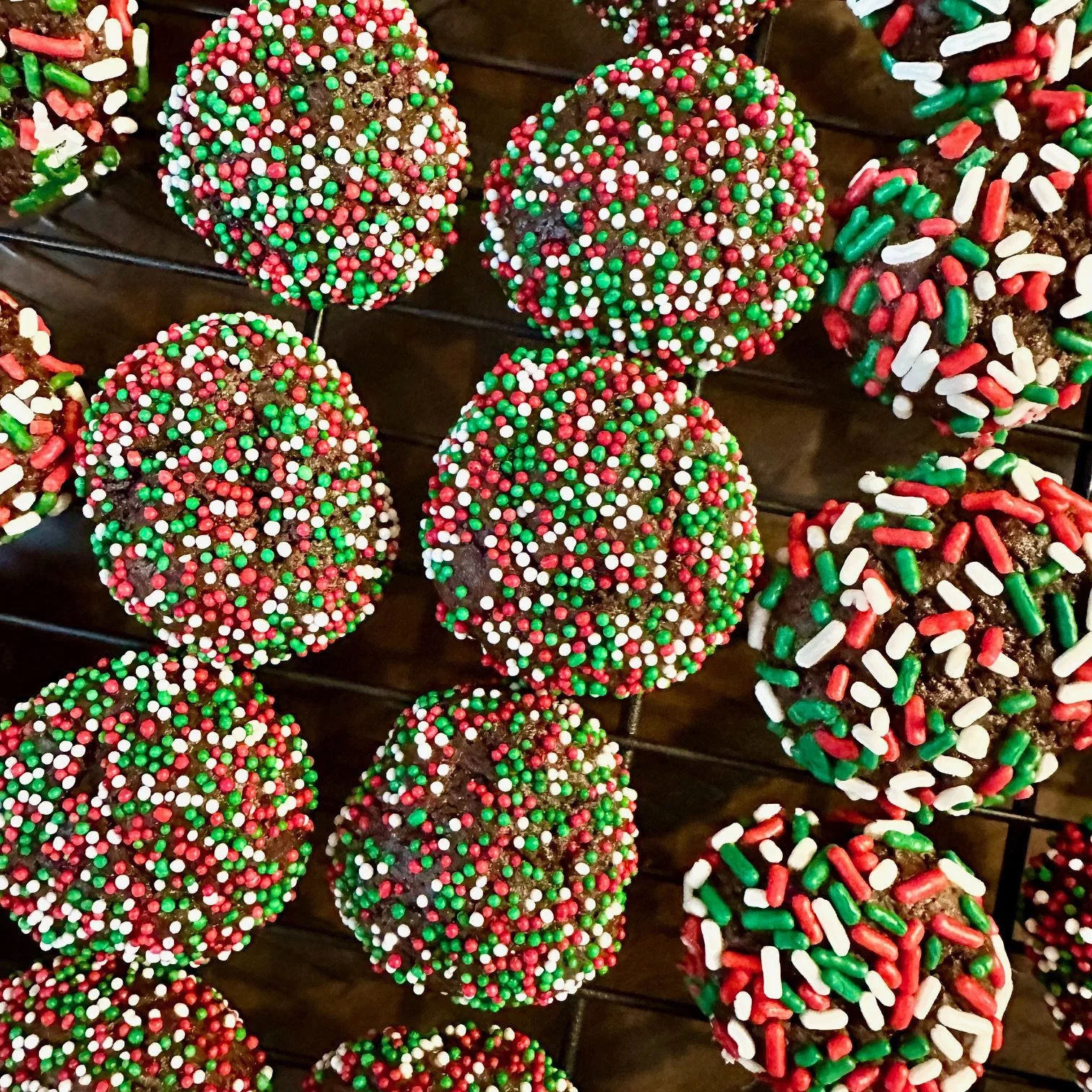
When I was diagnosed with celiac disease, it, in a word, sucked. Not only could I not envision my life without pizza and bagels and bakery stops, but I was devastated that lifelong traditions, like baking Christmas cookies with my mom, would be upended. Truly, I was spiraling.
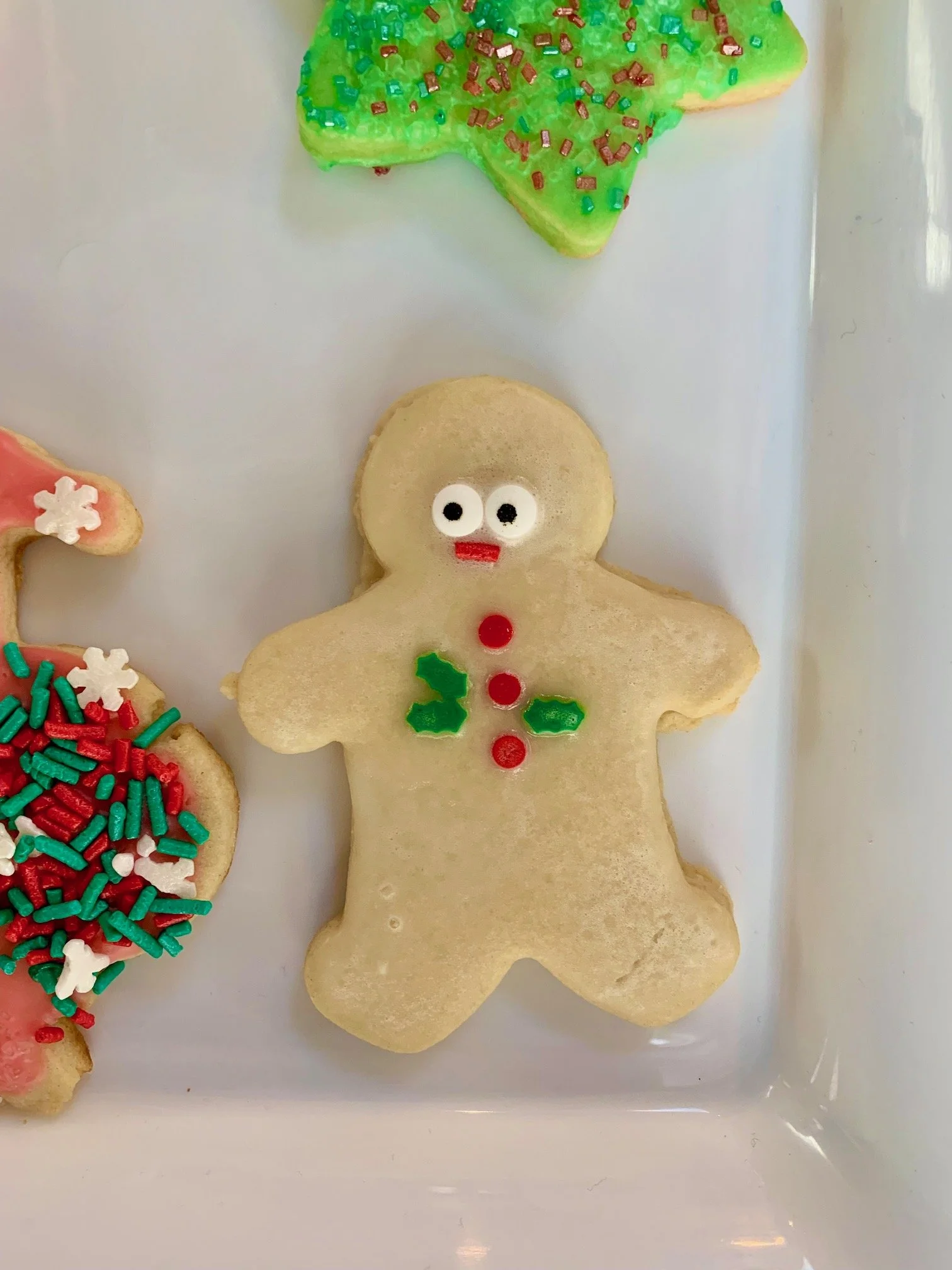
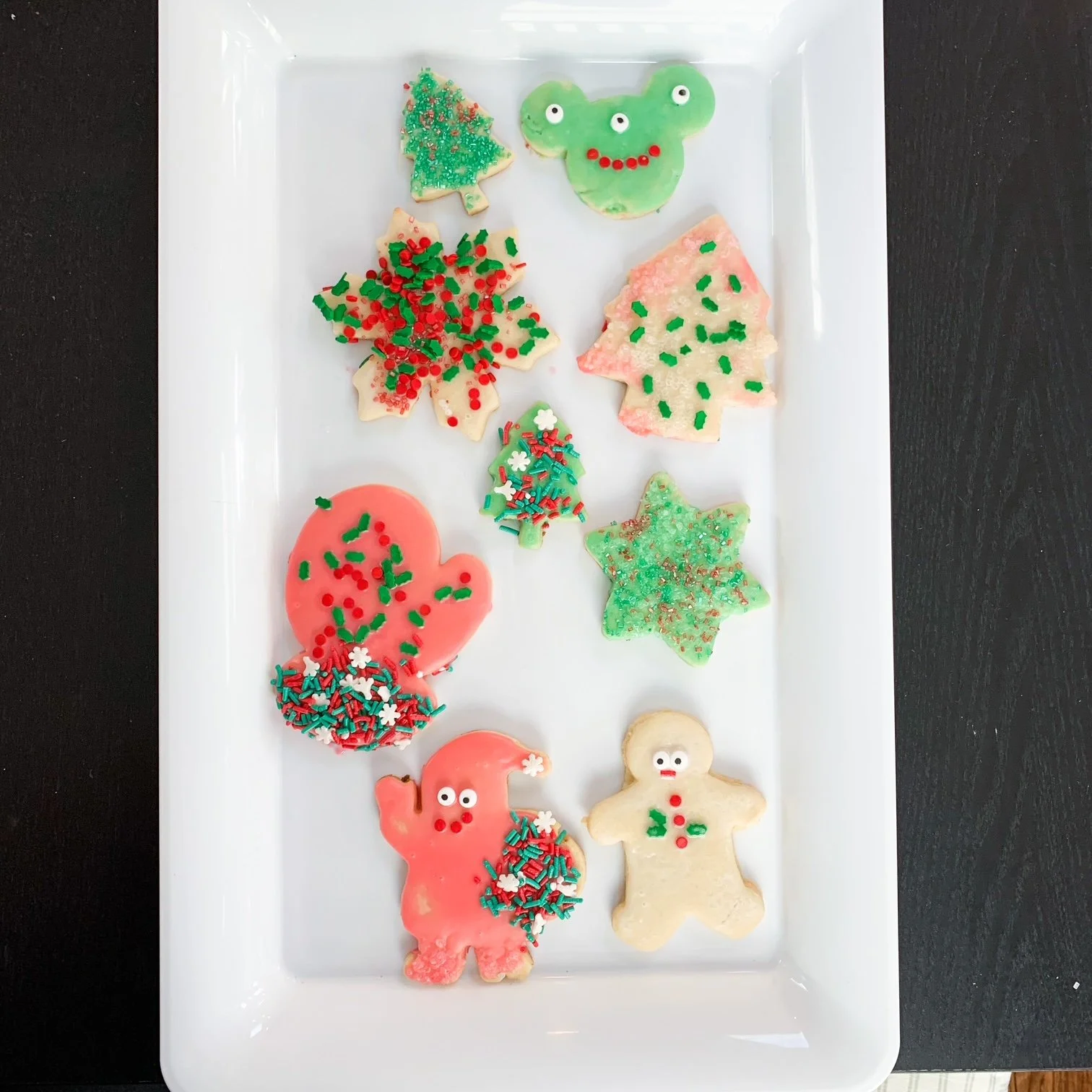
But! I was determined not to hang up my apron and put away my stand mixer just yet. Instead, I decided I was going to be the very best gluten free baker I could be. Can’t find something in the bakery? No problem, I’ll make it myself. Christmas cookies without gluten? I’ll test a recipe 100 ways to find the best, non-gluten-free tasting version.
I quickly learned that gluten-free baking isn't as simple as swapping one flour for another. Some recipes worked beautifully. Others ended up in the trash. I've had my fair share of dry, crumbly, gritty cookies over the years.
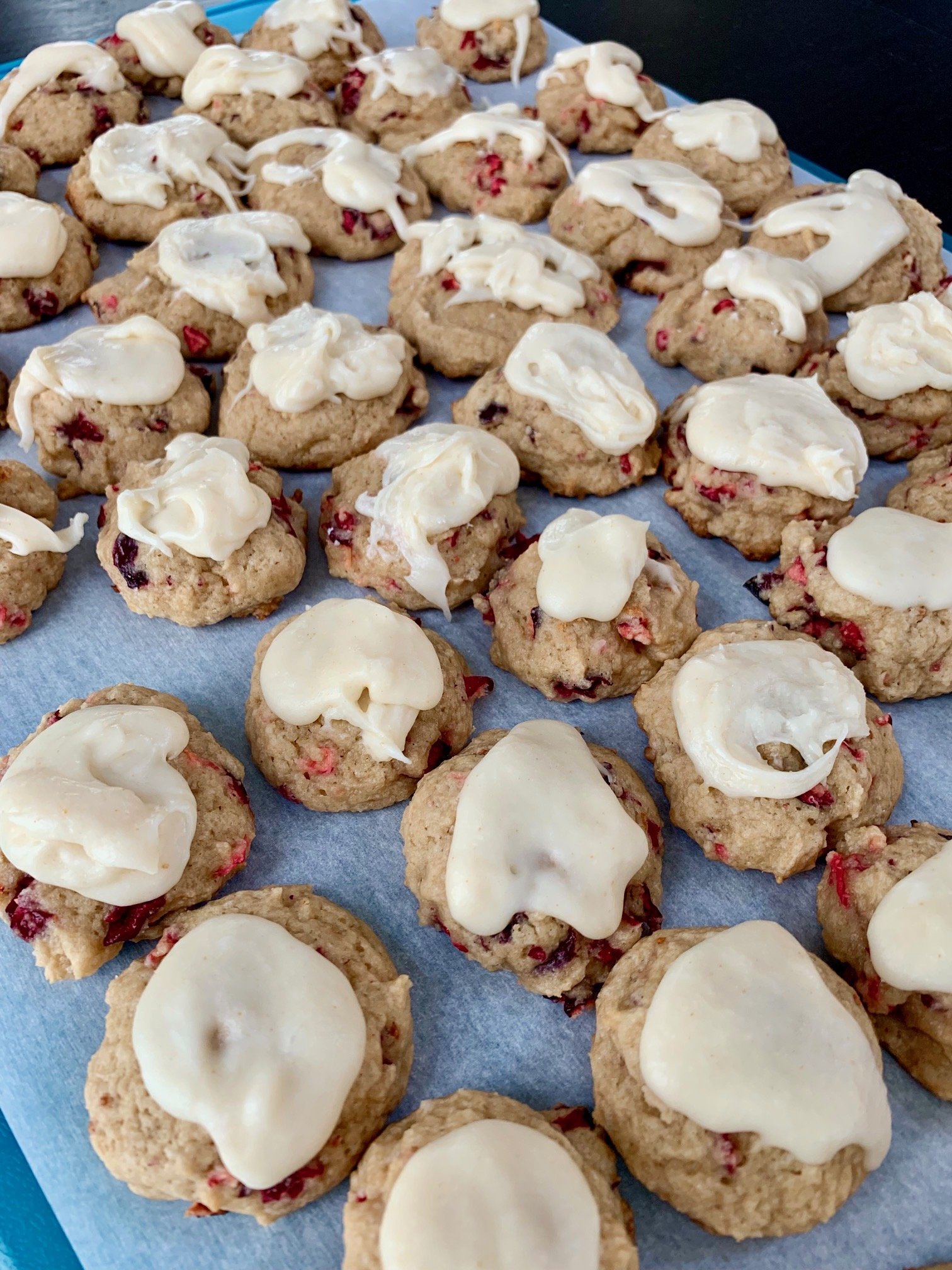
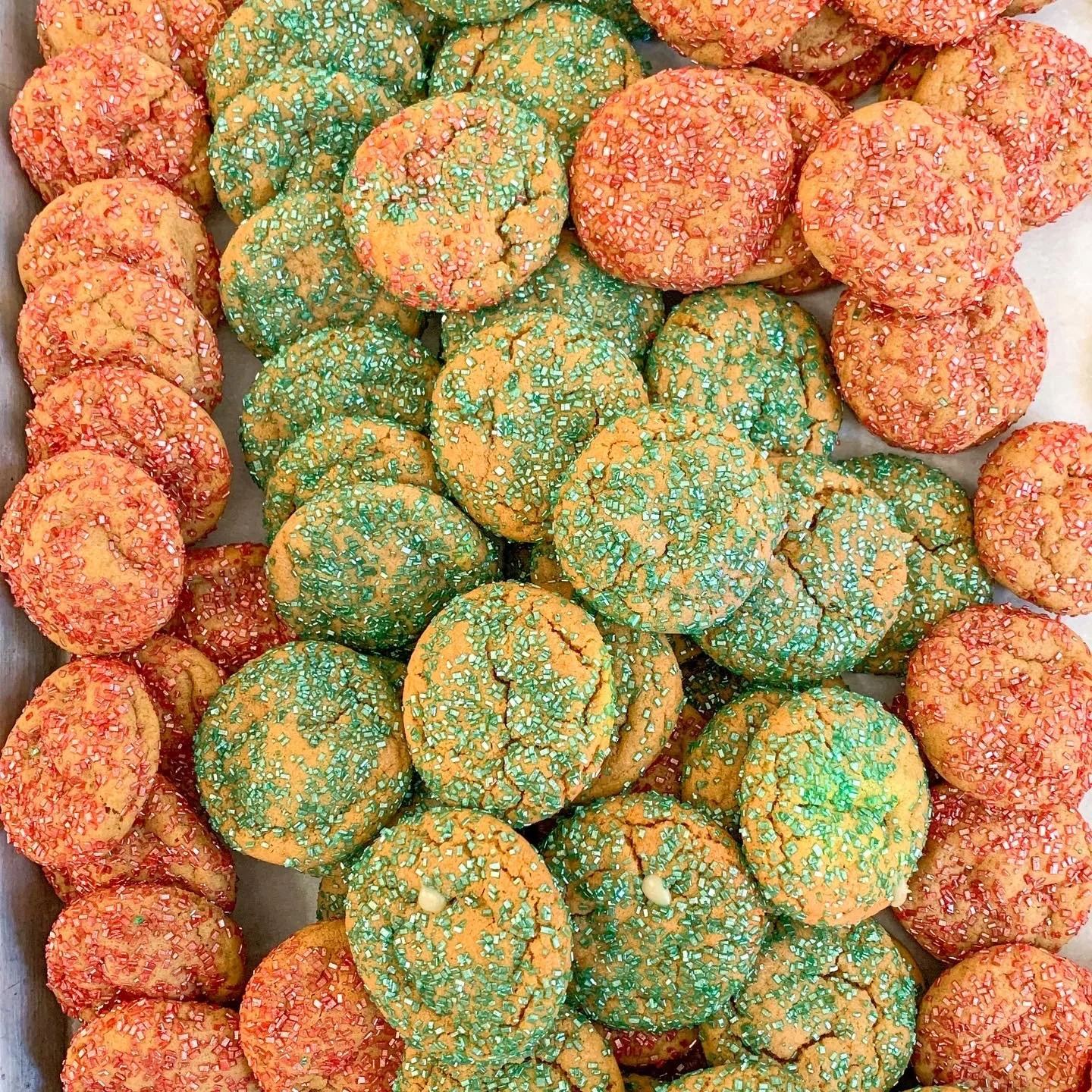
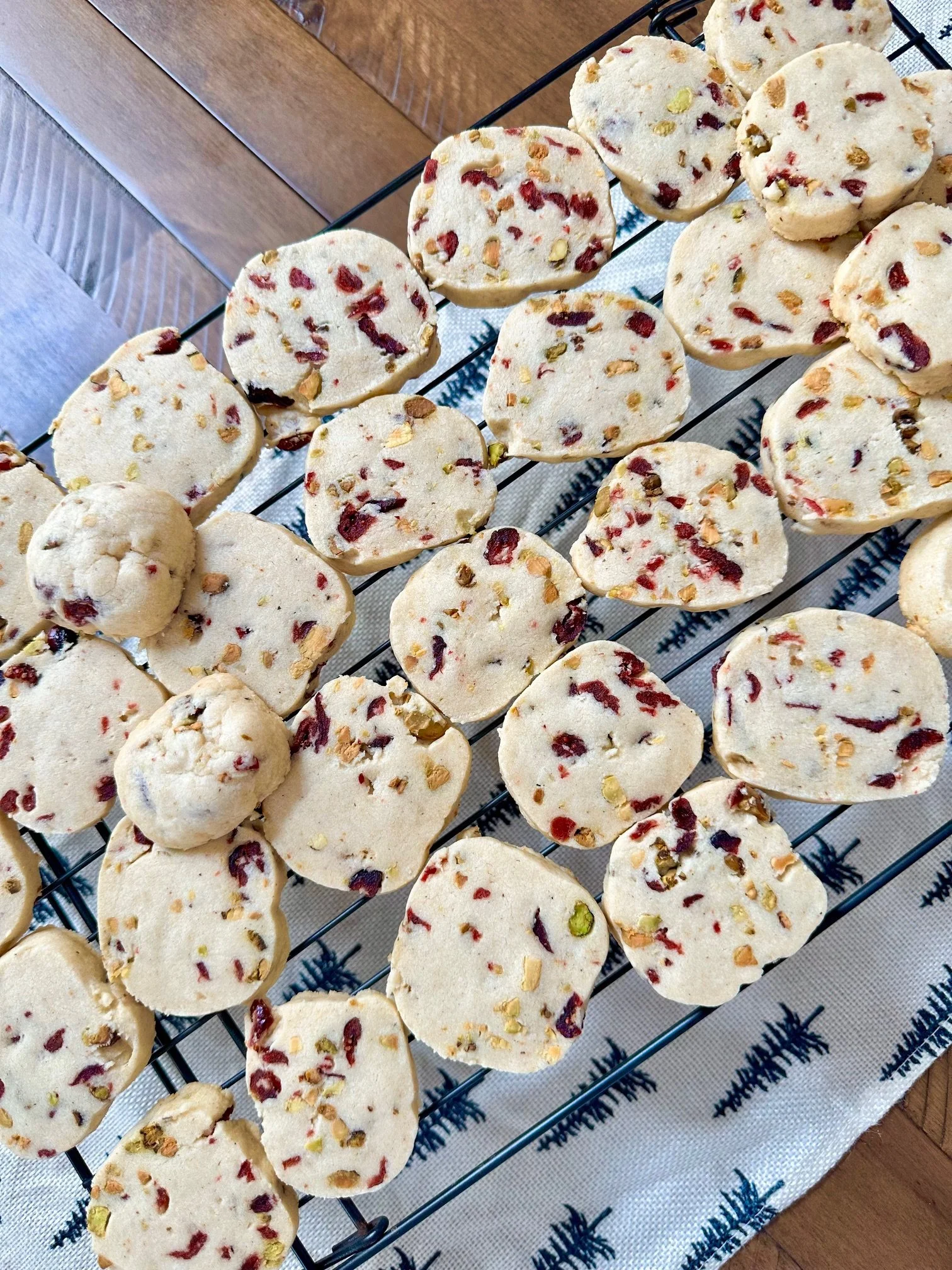
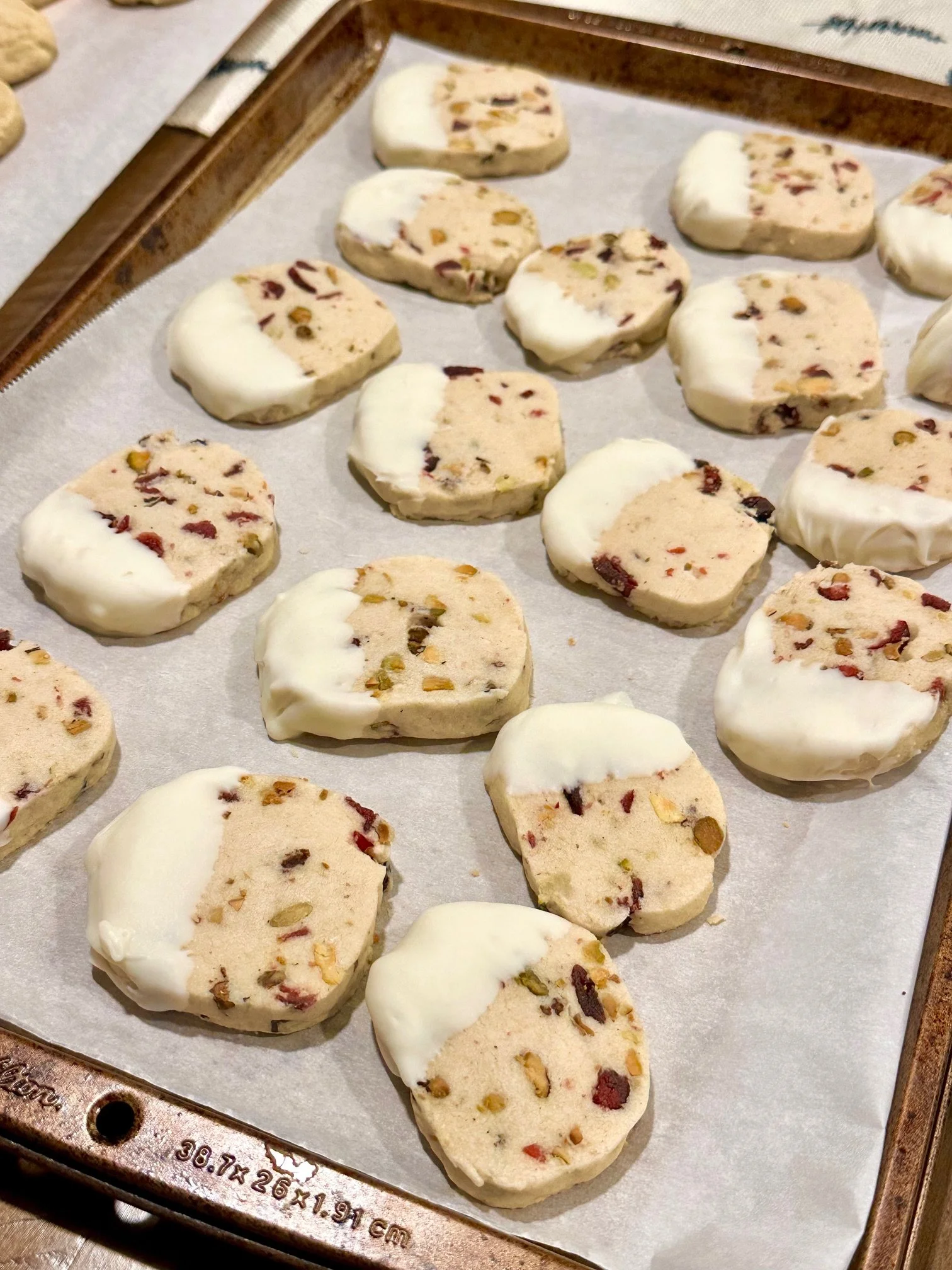
Pictured: frosted gluten free cranberry cookies, gluten free soft ginger cookies
I've spent the last few holiday baking seasons reading recipes, learning from other gluten-free bakers, experimenting with ingredients, reinventing our family classics and adding my own spin wherever I could. Along the way, I've discovered a handful of tips that consistently make gluten-free cookies softer, more flavorful, and more enjoyable to eat.
These are the tricks I come back to every Christmas season when I'm baking cookie boxes, putting together holiday platters, or just making a batch of cookies for my family.
Most importantly, these tips help create cookies that people genuinely enjoy eating. Not cookies that are "good for gluten-free." Just plain good - no, GREAT - cookies.


Pictured above: gluten free soft ginger cookies
10 Gluten-Free Cookie Baking Tips That Will Transform Your Cookies
1. Use the Right Gluten-Free Flour
Not all gluten-free flours are created equal.
Some create soft, tender cookies while others can result in dry or gritty baked goods. Once you find a flour blend that works well for your favorite recipes, stick with it. I always, ALWAYS use a 1:1 gluten free flour blend. My favorite is King Arthur Gluten Free Measure for Measure Flour.
2. Don't Discount Baking Mixes
For a long time, I thought everything had to be homemade from scratch. Now? Some of my favorite shortcuts come from quality gluten-free baking mixes and refrigerated cookie dough. Sweet Loren’s and Trader Joe’s are my go-to for simple, delicious cookies when I want something quick and easy.
3. Add Extra Fat
Gluten-free flour blends absorb more moisture than traditional wheat flour. That's one of the reasons gluten-free cookies can sometimes turn out dry, crumbly, gritty and just overall not good. Ingredients like butter, whole milk, sour cream, cream cheese, and egg yolks can make a huge difference in texture. This is where some trial and error come in. Sometimes an extra egg yolk can change the game, and others, it can make the dough spread out flat. Luckily I’ve already done this work, so you don’t have to.
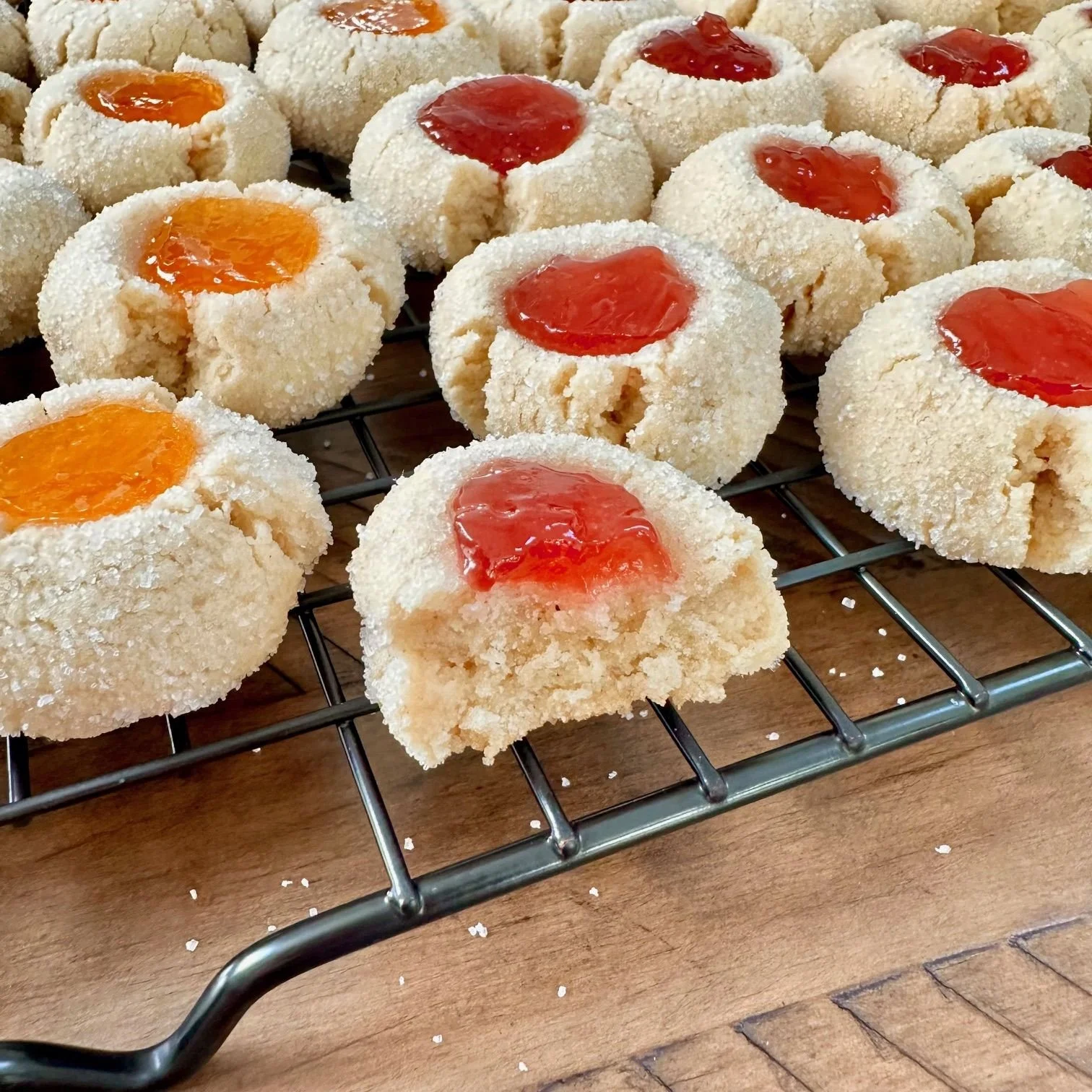
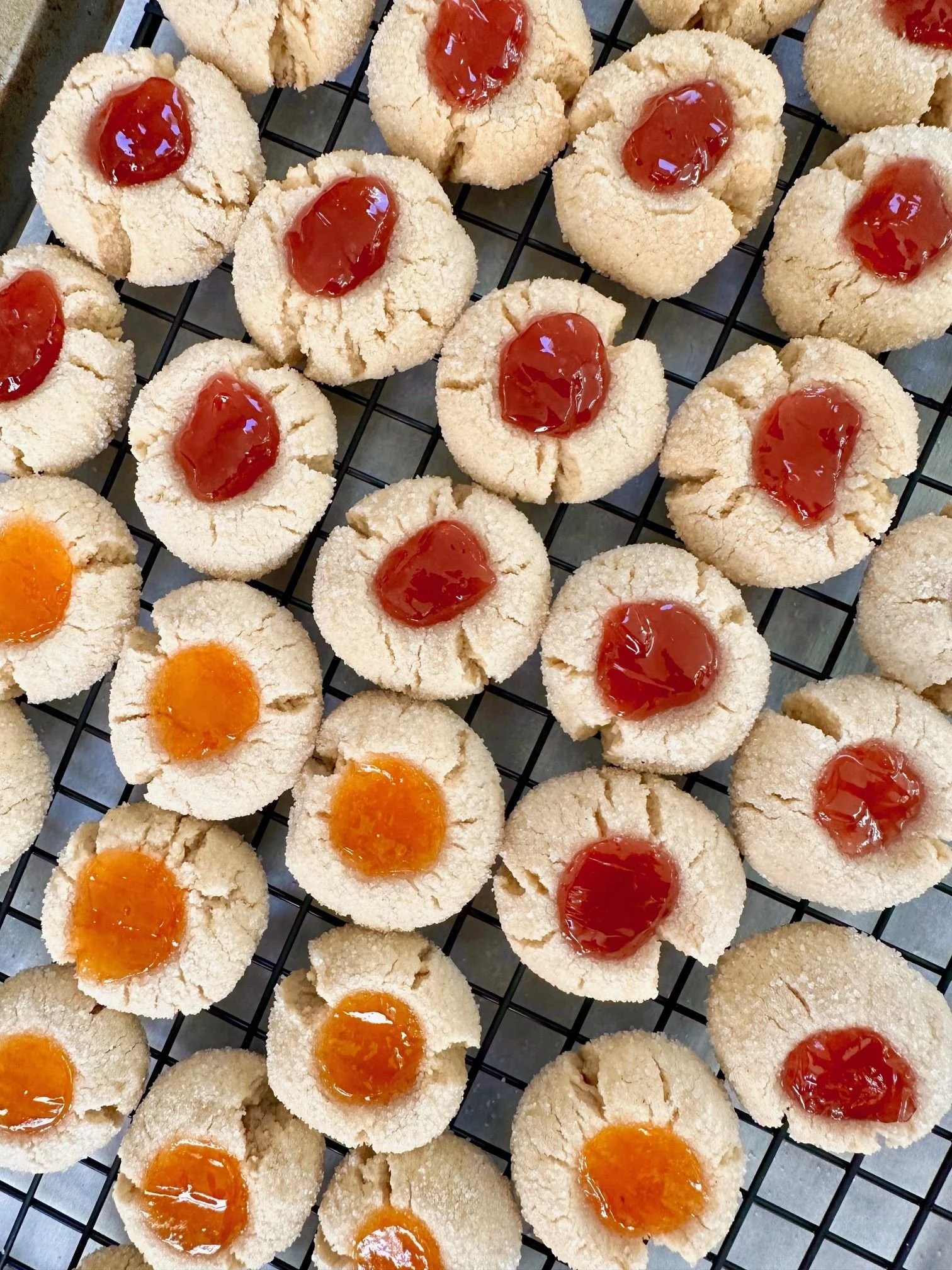
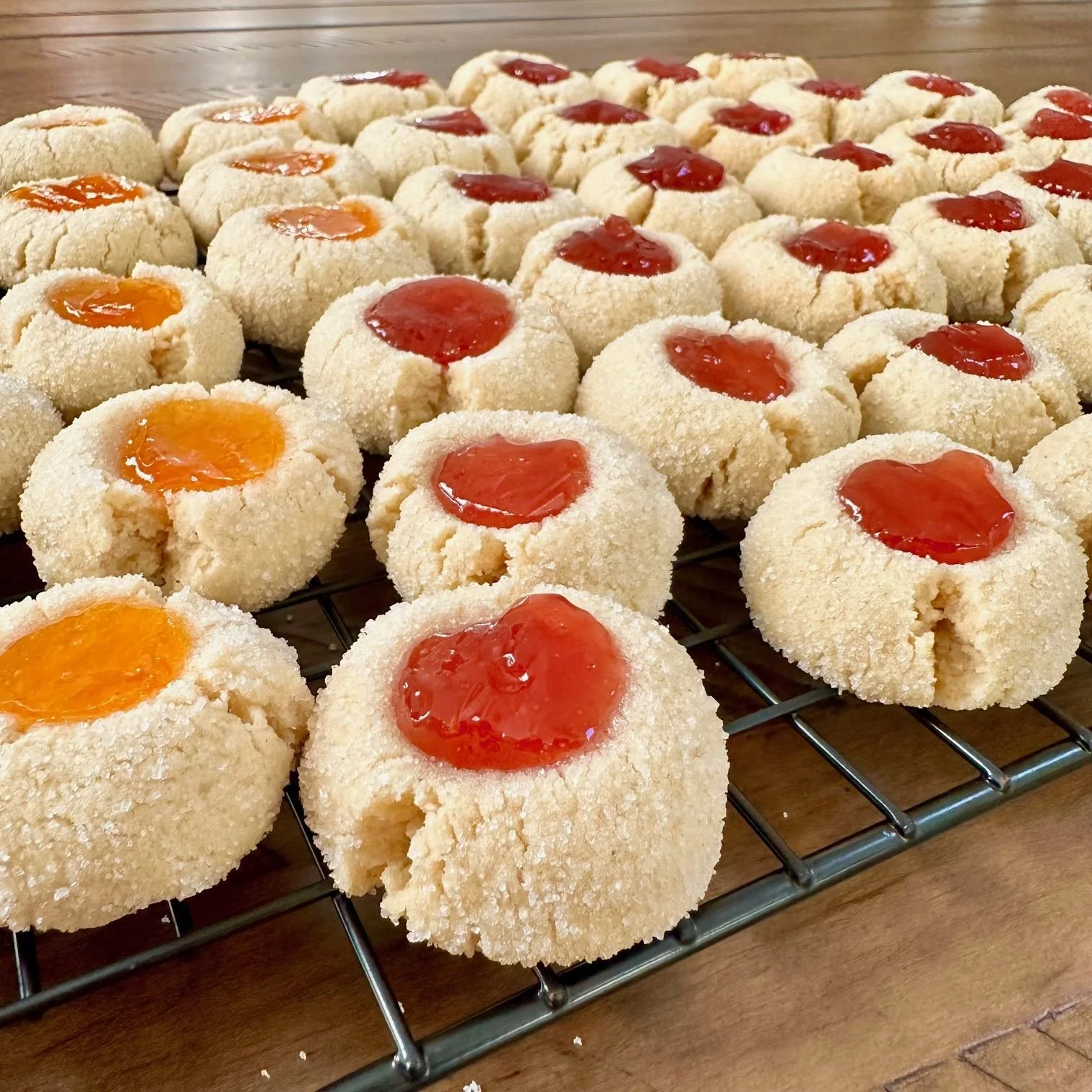
Pictured above: gluten free thumbprints
4. Let Cookie Dough Rest
I cannot overstate how much better gluten free cookies taste when the dough has time to rest, ideally overnight.
Allowing cookie dough to rest gives the flour time to fully hydrate. This improves texture, reduces grittiness, and often helps cookies bake more evenly. For holiday cookies, I will make the dough in advance, refrigerate overnight, then freeze until I’m ready to bake them. Just let the dough come closer to room temp (about 2 hours) before rolling and baking if it becomes too firm.
5. Slightly Underbake Your Cookies
Another gluten free baking hack that has changed the game. Gluten-free cookies can go from perfectly soft to disappointingly dry very quickly. I almost always remove cookies from the oven when they still look just slightly underdone in the center. They'll continue baking as they cool on the cookie sheet and you won’t have dried out cookies.
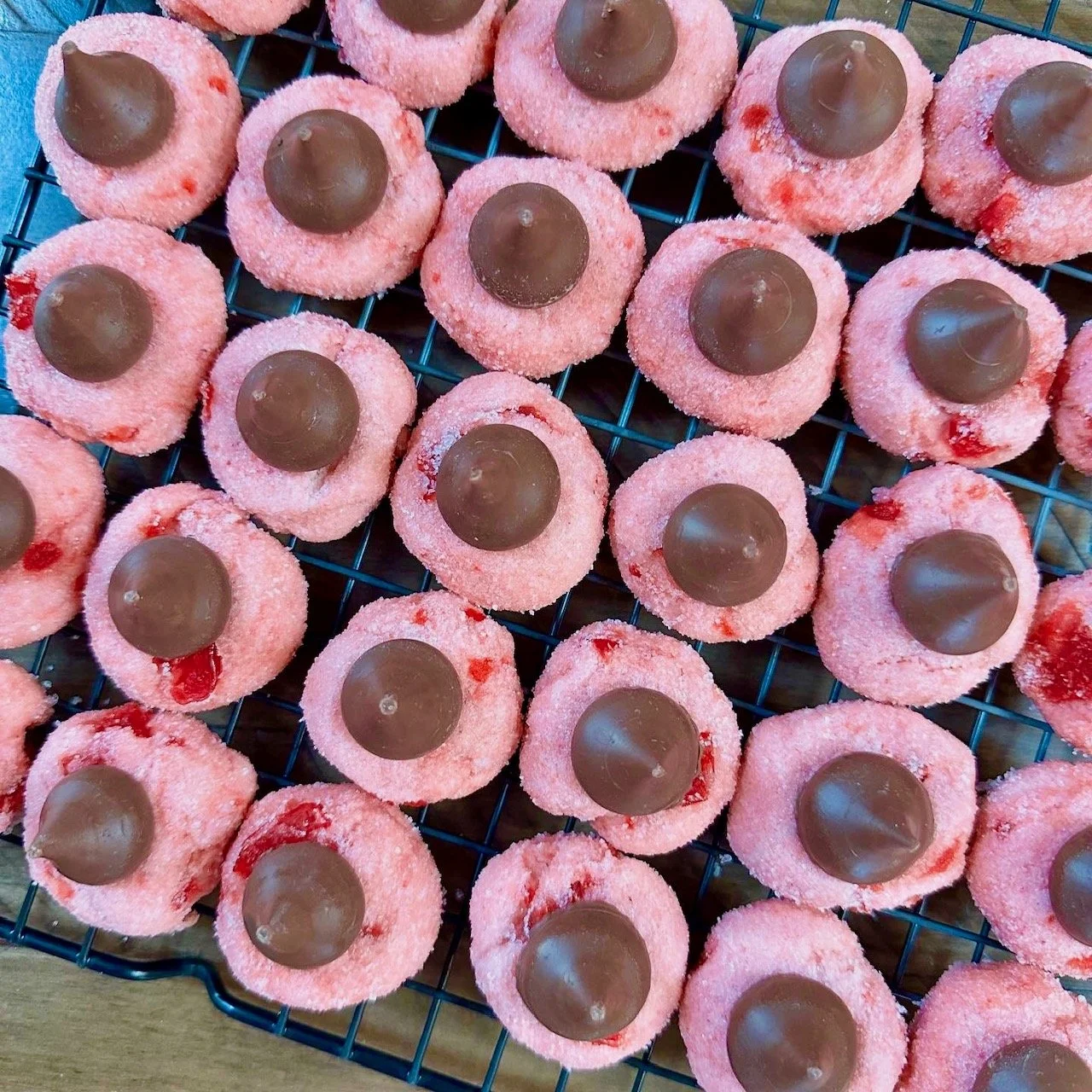
6. Store Cookies in Airtight Containers
You worked hard making those cookies. Don't let them dry out after baking. Gluten-free cookies tend to lose moisture faster than traditional cookies, so proper storage matters. Once your cookies are completely cool, store them in airtight containers to keep them fresh, soft, and delicious for days.
7. Freeze ‘em!
Every Christmas, I make gluten-free cookie boxes for friends and family. There's no way I'd be able to bake everything in a single weekend. Instead, I freeze cookies throughout the season and pull them out as needed. Most gluten-free cookies freeze beautifully and taste just as good after thawing.
I usually store mine in parchment-lined gallon freezer bags.
8. Prevent Cross-Contamination
If your kitchen isn't completely gluten-free (mine is not), it's worth taking a few extra precautions. I recommend using a dedicated baking sheet for gluten-free baking whenever possible and always lining it with parchment paper. When I’m baking Christmas cookies with my mom, I label the parchment GF so everyone knows not to use that sheet. These simple habits help provide an extra layer of protection and peace of mind when baking for yourself or someone with celiac disease.
9. Label Everything
We’ve all done it. We throw something in the freezer, insisting we’ll remember what it is. But, truly, you have 1 million thoughts running through your head at all times, you cannot possibly remember what is gluten free in your freezer! This becomes especially important during the holidays. I always label containers and freezer bags clearly with "GF" when storing baked goods. It keeps everyone safe and removes any guesswork later.
10. Learn, Experiment, and Share the Goods
Nearly everything I've learned about gluten-free baking has come from trying recipes, reading what other bakers are doing, and then adding my own spin. Some recipes work immediately. Others take a few attempts. A few of my favorite recipes took years to perfect. For me, that's part of the fun.
One of my favorite things about gluten-free baking is sharing it with others. Every Christmas, I put together gluten-free cookie boxes for friends and family. I also love dropping off homemade treats for my gluten-free friends throughout the year.
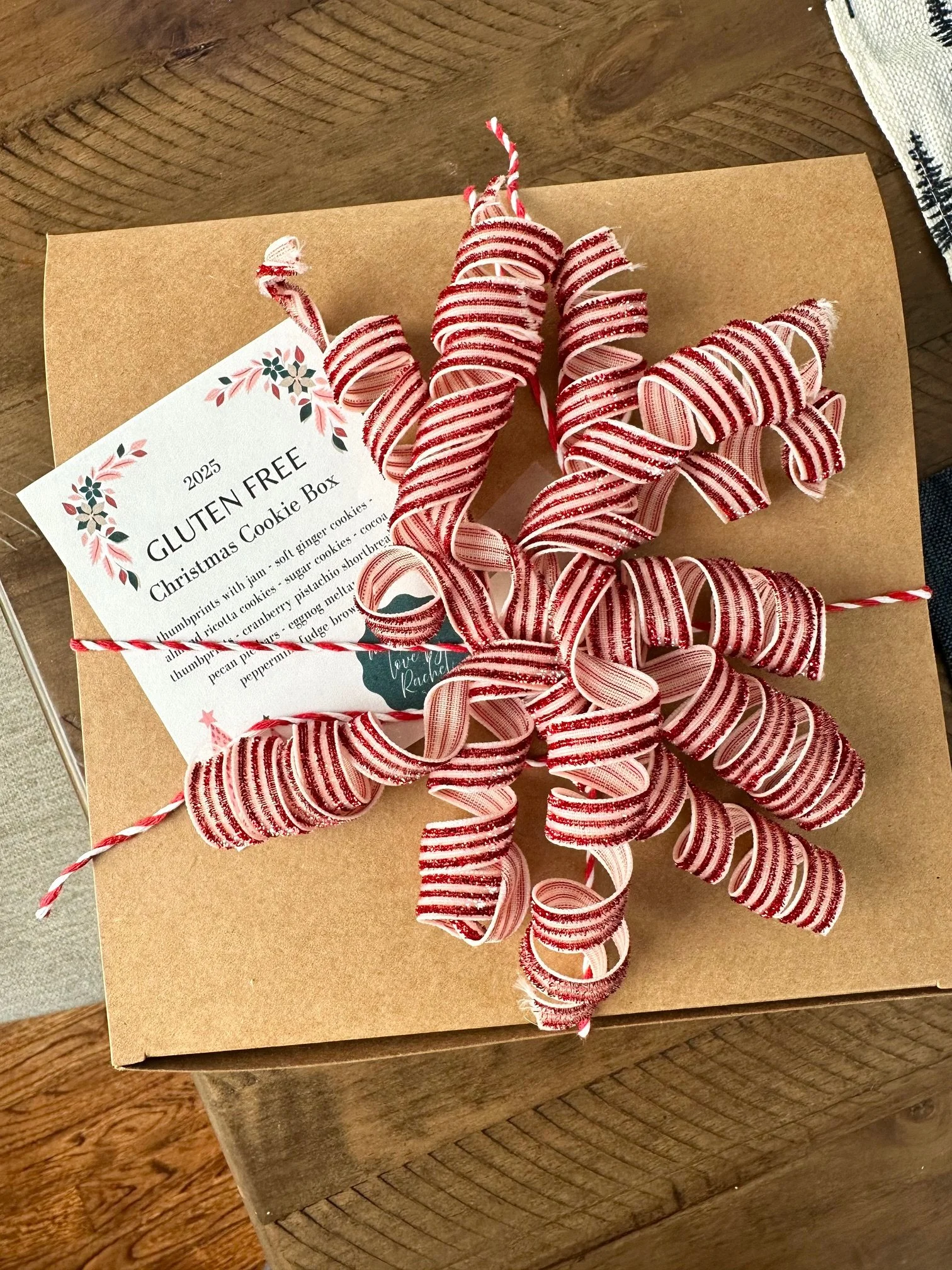
There's something special about giving someone a homemade cookie they can enjoy without worrying about ingredients or cross-contamination. So try new recipes. Make substitutions. Experiment with flavors. Learn from your mistakes. And when you bake something wonderful, share it.
Gluten-free cookie baking can feel intimidating at first, but it gets easier with practice.
The goal isn't to make cookies that are "good for gluten-free." The goal is to make cookies that people reach for first on the dessert tray.
And trust me, that's absolutely possible. Is there anything else you would add to this list? Let me know in the comments!
xo, Rachel

Learn 10 gluten-free cookie baking tips that will help you bake the most delicious gluten-free Christmas cookies. From choosing the right flour to freezing holiday cookies, these simple tricks make all the difference.